
Non-Surgical Aesthetic Treatments
Each service here has been chosen with a specific purpose in mind. Together, they represent a quiet but meaningful set of options for those who want to feel more at ease in their skin — without drama, without pressure, and without unrealistic promises.
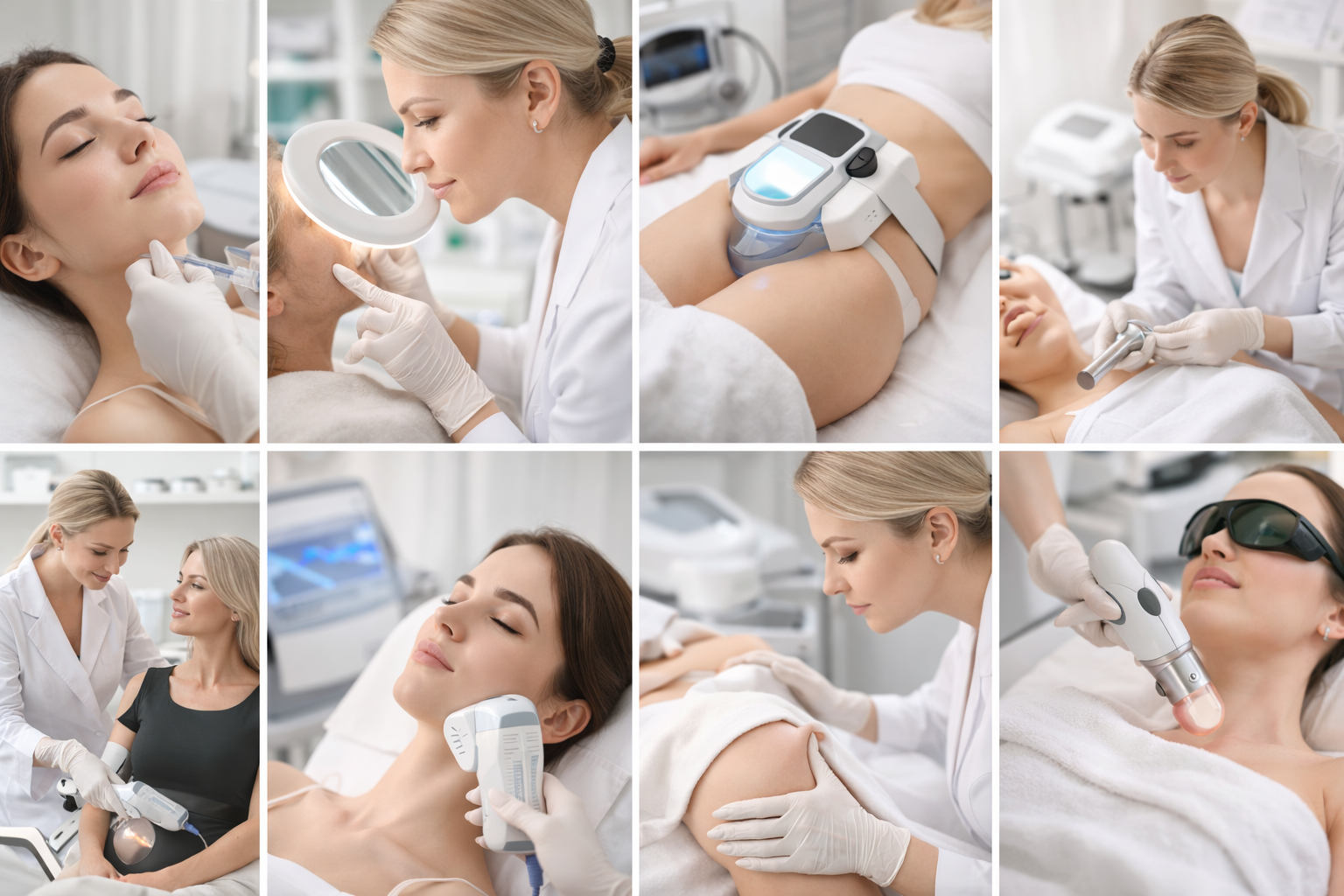
Non-surgical aesthetic care covers a broad and genuinely varied set of concerns. Some are visible. Some are deeply personal. All of them deserve the same thoughtful, respectful approach.
The services presented here address different areas of the body and different kinds of concerns — from stubborn fat and surface skin texture to firmness, tightening, and intimate wellness. What they share is an underlying philosophy: that the right treatment is the one that makes sense for the person, not just the problem.
Good aesthetic care is never a one-size solution. It considers the individual as a whole — their skin, their goals, their comfort level, and the realistic outcomes that are available. It starts with honest conversation and builds toward a plan that feels measured, clear and personal.
The goal of every service here is not to change who you are — it is to help you feel more comfortable with how you present yourself, in a way that still feels entirely like you.
Many concerns that bring people to aesthetic care are ones they have carried quietly for a long time. A pocket of fat that doesn't shift. A skin imperfection that catches the eye each morning. A change in tone or comfort that has affected confidence in ways that are hard to articulate. These things are real, and they matter.
Each service below is explained simply and honestly — what it is, who it tends to suit, and what kind of concern it addresses. There are no overstatements here. No dramatic claims. Just clear, straightforward information to help someone understand which path might be worth exploring. EMS Overactive Bladder Treatment
A careful consultation is always the right starting point. That conversation is what makes the difference between a generic treatment and a plan that truly fits.
Each service below is intended for a different purpose, but the guiding values behind all of them remain the same: care, honesty, and respect for the individual.
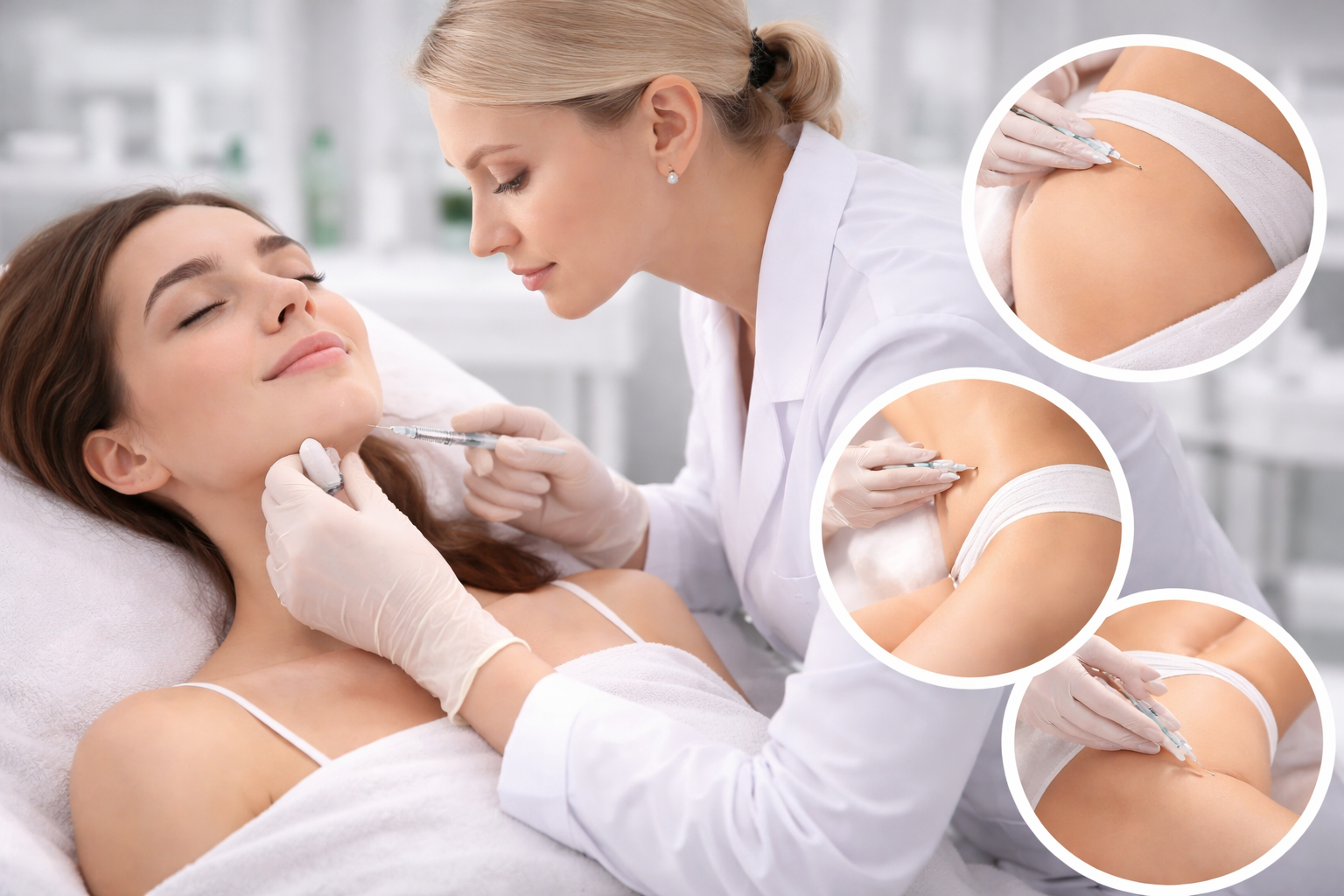
Aqualyx is a treatment often sought by those who have small, stubborn pockets of fat that remain even after overall weight loss. These areas — beneath the chin, around the abdomen, on the flanks, inner thighs, or elsewhere — can be frustrating because they don't always respond to lifestyle changes alone. They can affect how clothing sits, how a person feels in fitted outfits, or create a sense of imbalance in an otherwise relatively well-proportioned shape.
What tends to appeal about this treatment is its precision. Rather than making broad changes, it focuses on specific, defined areas — which makes it a good fit for someone who is already close to where they want to be, but needs some support with one or two persistent zones.
For many people, seeking Aqualyx is not about dramatic transformation. It is about feeling that the body looks slightly more balanced — a small, natural-looking refinement rather than a radical shift. That distinction matters, and it shapes how a good treatment plan is built.
The concern it addresses is often one carried quietly for a long time: a single pocket that has never responded as expected, a shape that still feels slightly off despite honest effort. A thoughtful consultation is essential here, because not every area is suitable, and the approach should always consider the person as a whole, not just the targeted zone.
The aim is not just volume reduction — it is a more natural, balanced appearance that still feels like it belongs to the person.
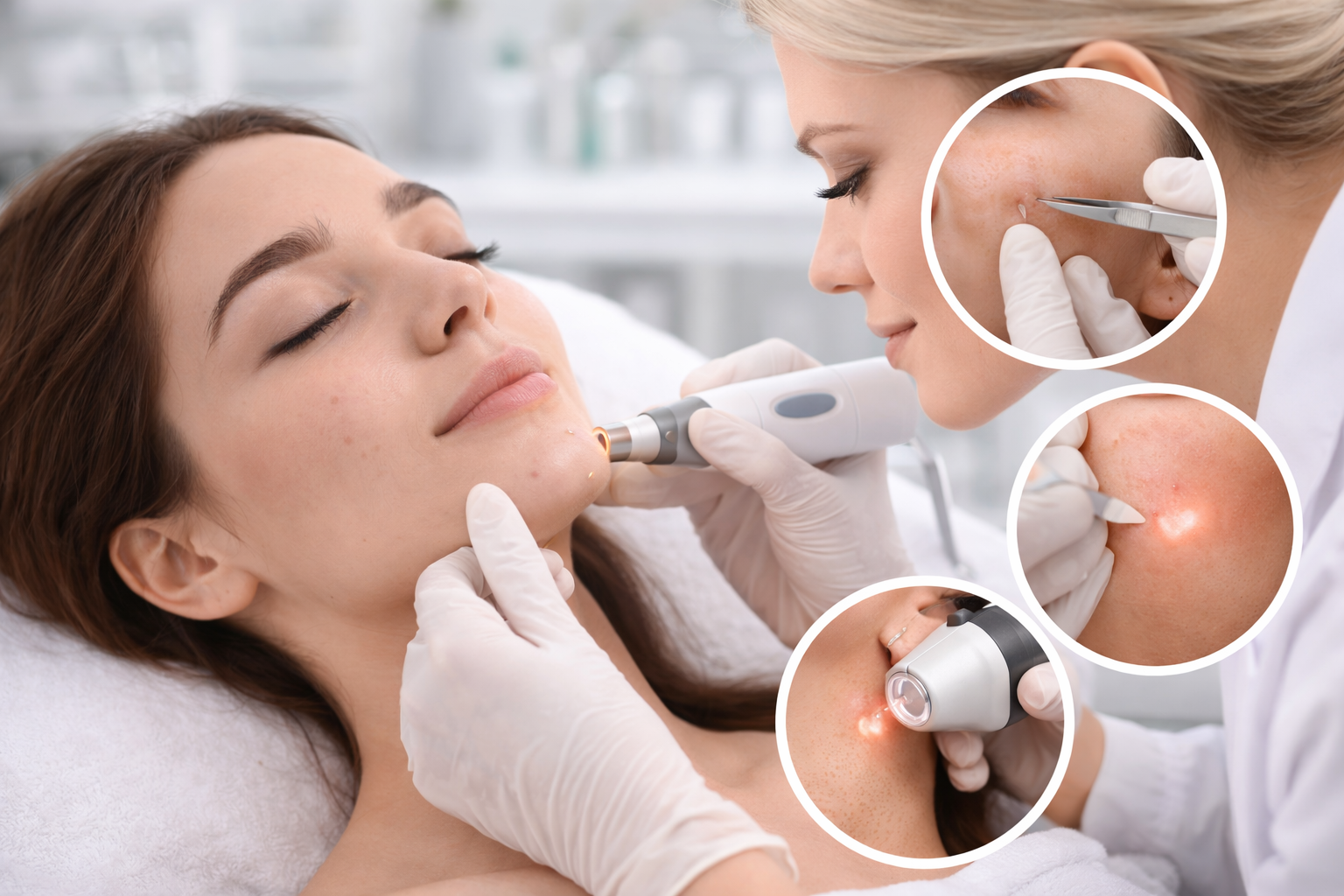
People come for blemish removal when there is something on the surface of the skin that simply will not resolve on its own — a raised spot, a persistent growth, a change in texture or tone in a small area that keeps drawing the eye. These concerns are often quite minor in the grand scheme of things, yet they have a habit of occupying far more mental space than they deserve.
What makes skin imperfections so personal is that they exist in an area that is always on show. A person may have quietly adjusted how they dress, where they sit, which angles they avoid in photographs — all without ever quite articulating why. It is that kind of low-level, persistent awareness that blemish removal is often sought to address.
This is not about vanity. It is about comfort. It is about wanting to stop noticing something. And wanting to stop working around it. For many people, the value of addressing a skin concern like this is simply the quiet relief of no longer thinking about it.
Not all blemishes respond the same way, and not all skin behaves identically. The right approach will depend on what is being treated, where it sits, and what outcome is realistically possible. That is why a careful, respectful conversation is always the right place to start — so that expectations are clear and the plan feels right for that individual.
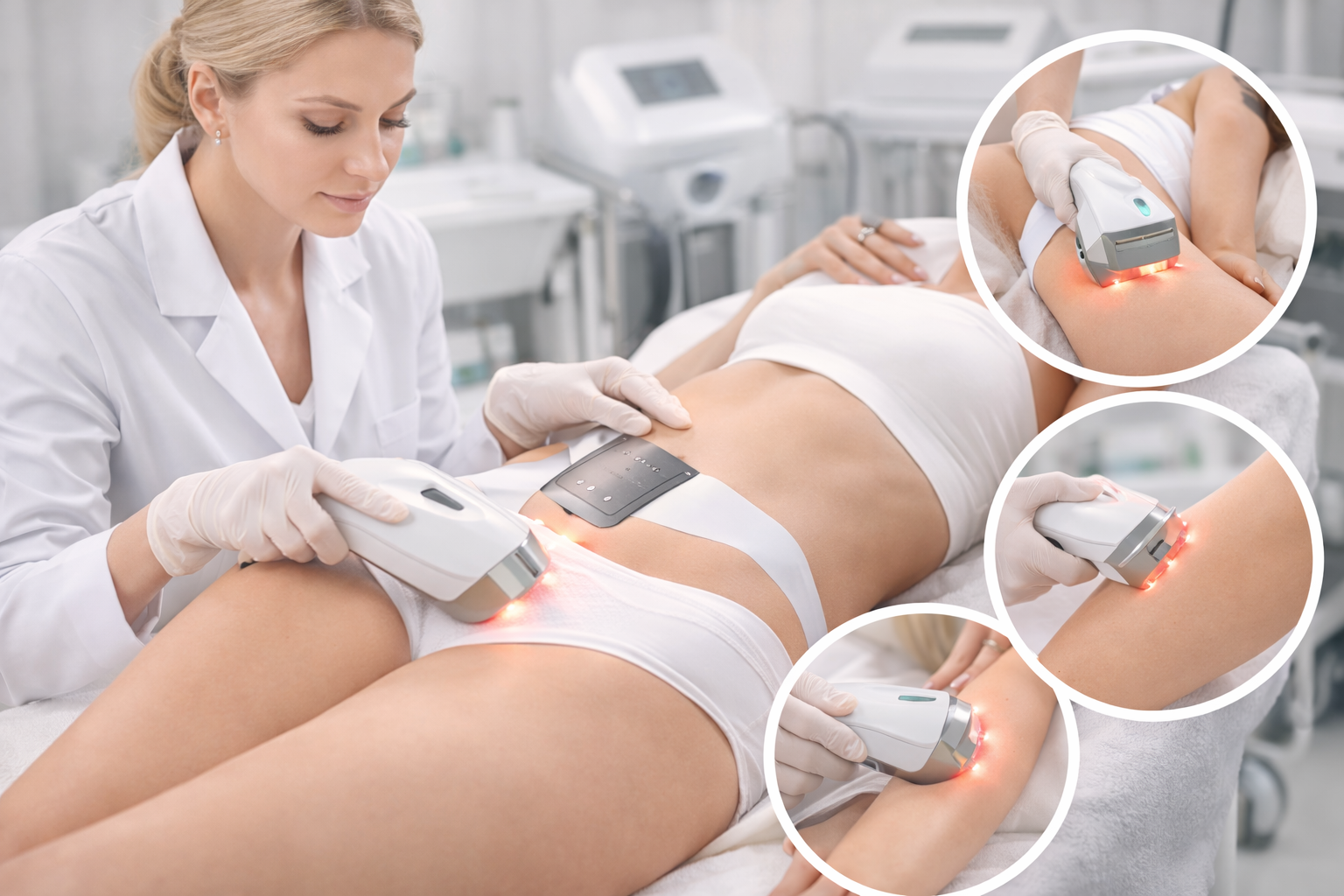
Body sculpting tends to appeal to a wide range of people because it is less about weight and more about contour. For some, it's about a specific area that feels slightly softer or less defined than the rest. For others, it's a sense that the body's shape doesn't quite reflect how hard they work to maintain it — certain areas of fullness persisting despite consistent exercise and mindful eating.
The concern it responds to is one that many people quietly recognise: the sense that their body lags just behind the version of themselves they carry in their mind. It is rarely dramatic. It is often quite specific. And it is always personal.
Body sculpting as a non-surgical option can be part of a broader wellness approach, or it can be a standalone step taken to address one particular shape concern. Either way, the objective tends to be the same: a more refined, streamlined appearance that feels authentic rather than obviously altered.
The most effective approach is one that respects the natural contours of the individual rather than trying to impose a different shape altogether. It should feel like a gentle enhancement — not a makeover. For someone who wants subtle improvement rather than obvious change, and who prefers to look refreshed rather than transformed, body sculpting is worth understanding carefully.
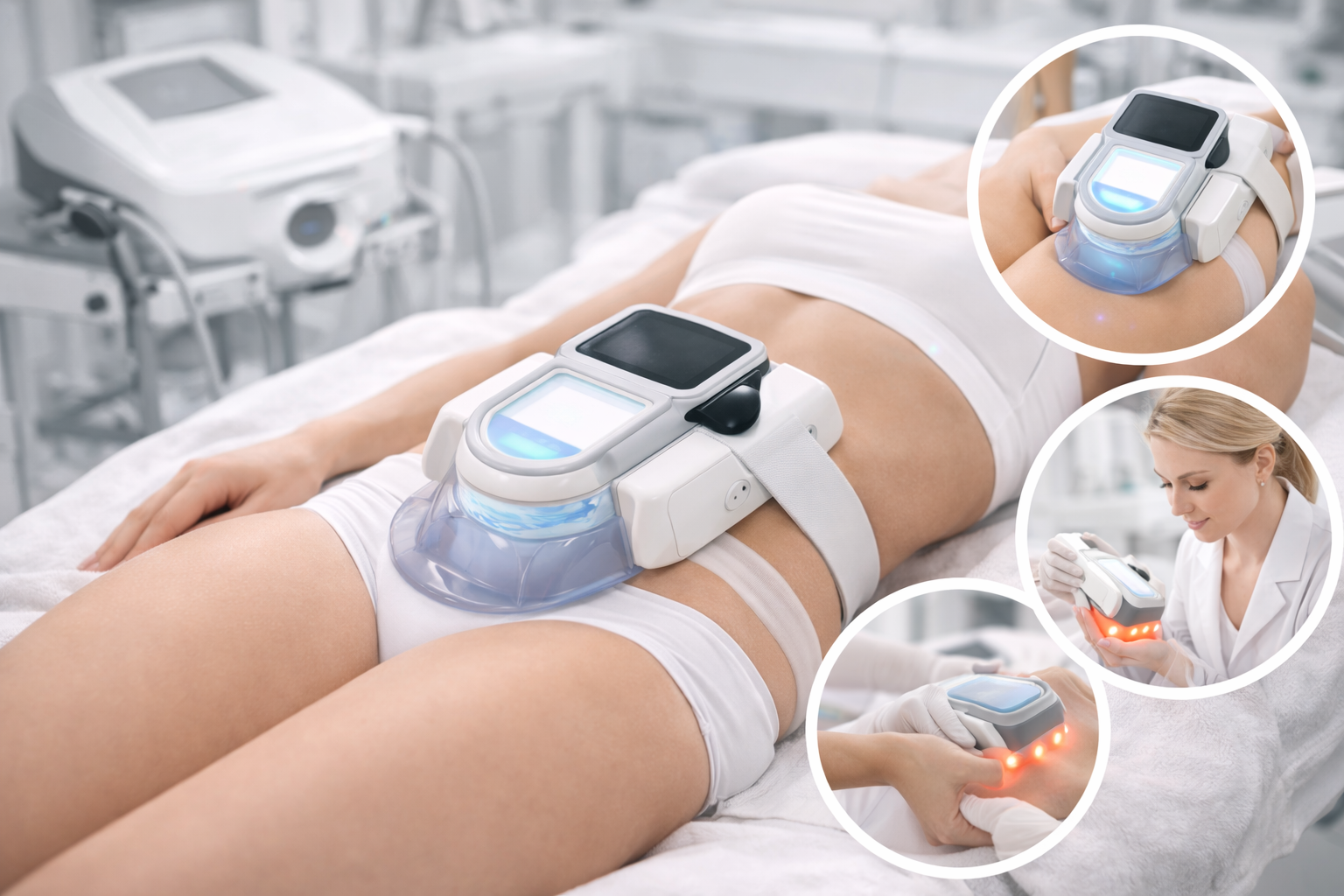
Cryolipolysis is often considered by people who are dealing with localised fat that seems resistant to both diet and exercise. The frustration tends to be quite specific — a lower tummy that stays soft regardless of effort, a little extra fullness at the sides, or another area that simply doesn't complement the rest of the body's shape. When this is the case, the concern is practical rather than dramatic: it is about balance, and about feeling more comfortable in everyday clothing.
The appeal of this treatment tends to be its focus. Rather than addressing the whole body, it targets defined zones — which makes it particularly relevant for someone who is already broadly confident in their shape, but wants support with one or two areas that feel stubborn or out of proportion.
For many people, this isn't about chasing an unrealistic ideal. It is about feeling more at ease — in what they wear, in how they move, in the way they see themselves. That distinction is important, because it shapes how a good treatment plan should be built and what realistic outcomes actually look like.
A careful assessment is always necessary before proceeding, since the right fit depends on the individual's goals and the specific area being considered. Honest guidance about what the treatment can and cannot achieve is essential — and it is that kind of transparency that helps people make decisions they feel genuinely good about.
Gradual, natural-looking change — in a way that still feels organic to the body — is often what people are looking for. That should always be the aim.
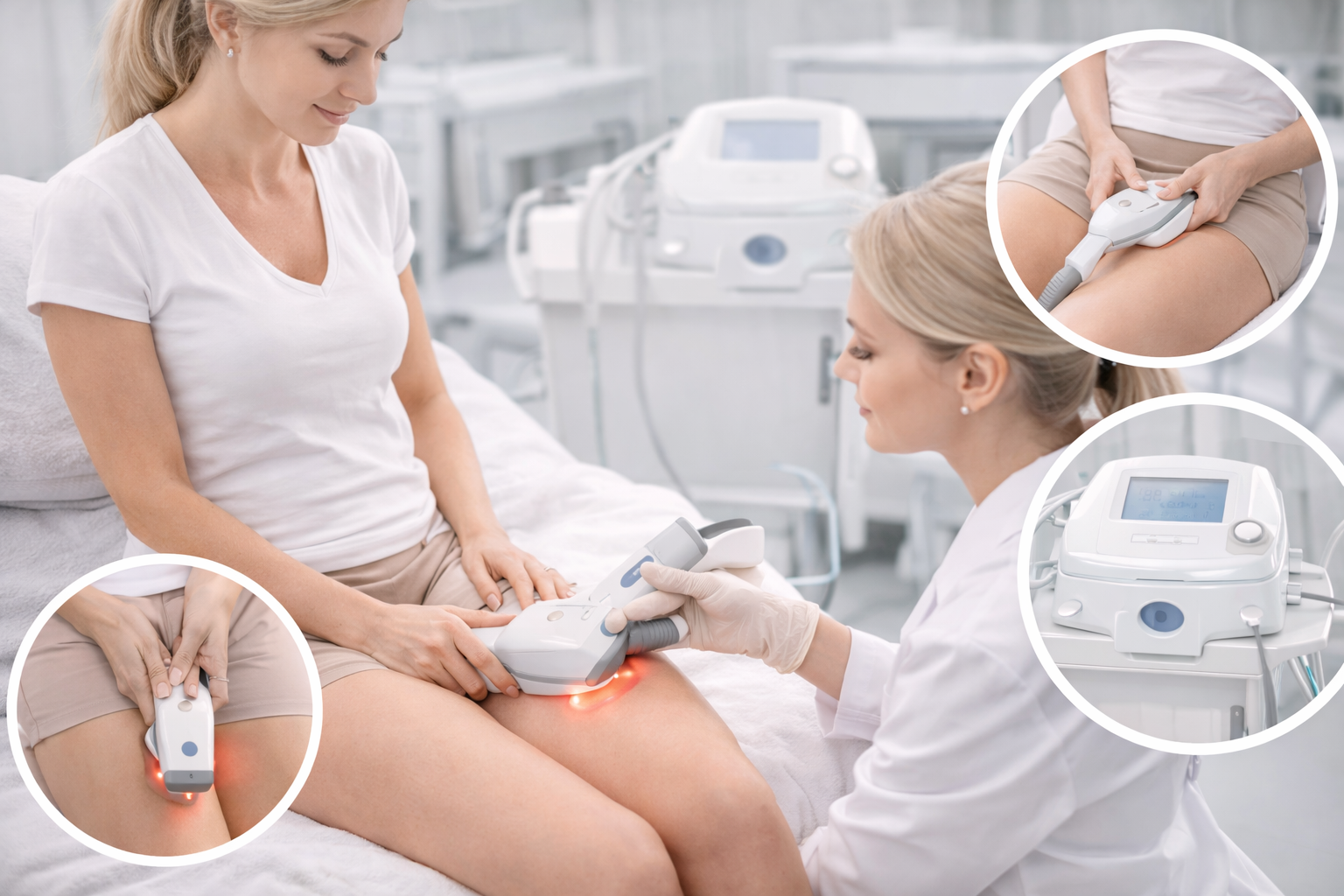
Incontinence treatment addresses a concern that many people carry silently for far longer than they should. Bladder support issues are genuinely common — they can occur after childbirth, with age, as a result of hormonal changes, or simply as part of how the body changes over time. Yet the topic is rarely spoken about openly, which means many people spend years working around it rather than seeking the support they deserve.
The impact is real and practical. Long journeys feel stressful. Certain exercises feel off-limits. Social situations require constant mental planning. Over time, this kind of daily management takes a quiet but steady toll on confidence and on the feeling of being fully comfortable in one's own life.
This service is here for those who want to address these concerns in an environment that feels respectful, calm and entirely free of embarrassment. Intimate health deserves the same professional care and thoughtful attention as any other part of aesthetic wellbeing. There is nothing unusual about seeking support — and there should never be any hesitation about doing so.
A non-surgical approach to improving bladder confidence can make a meaningful difference — not just physically, but in terms of peace of mind, freedom of movement, and the overall feeling of being at ease in everyday life. The right conversation, in the right environment, is simply where it begins.
This is a normal concern. It deserves a calm, honest, shame-free response — and that is exactly what this service aims to offer.
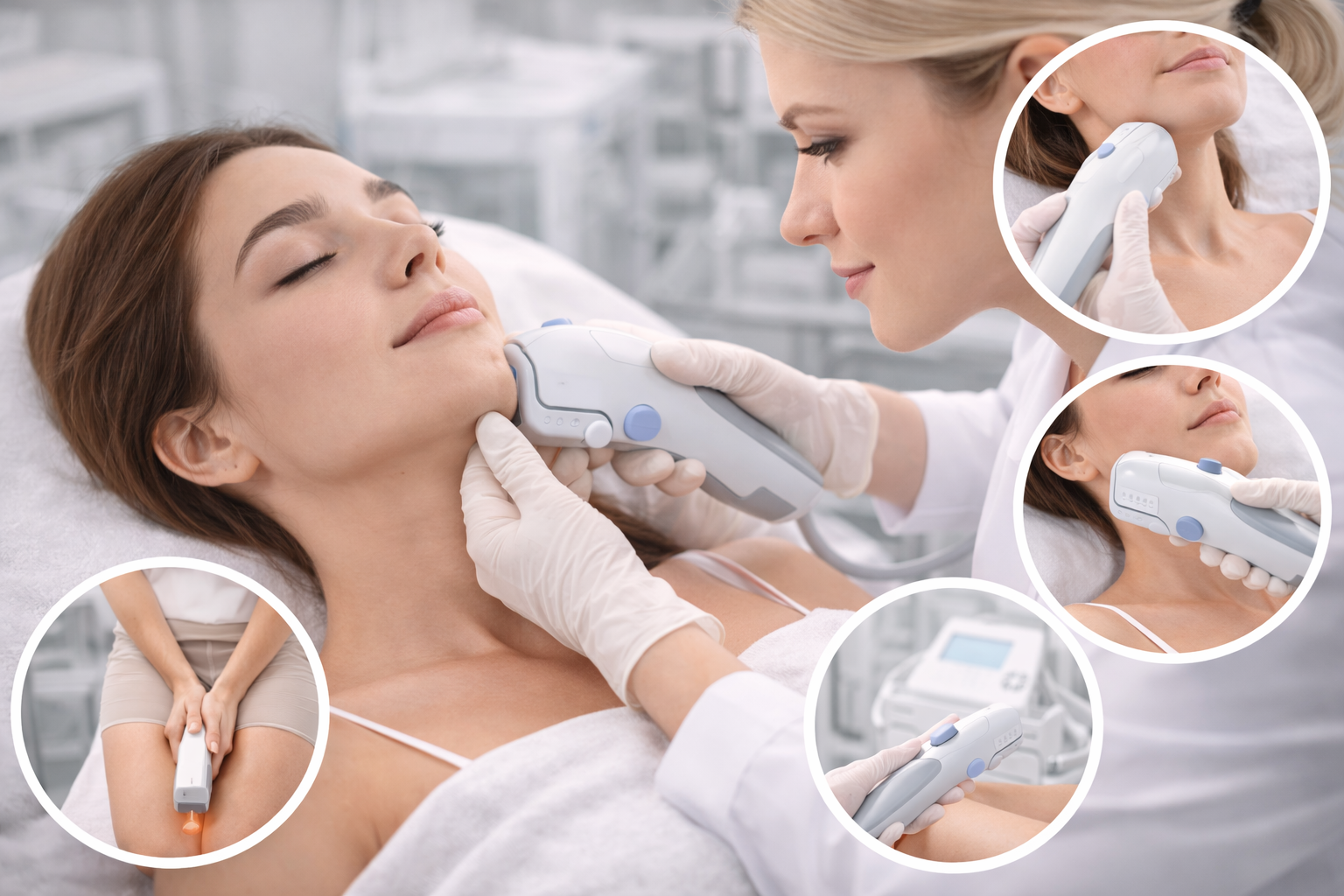
HIFU is often considered by those who notice that skin has become a little less firm than it once was — a subtle shift in the face, jawline, neck, or elsewhere on the body that feels more noticeable to the individual than it might appear to anyone else. These gradual changes are entirely natural, but they can affect the sense of structure and definition that many people associate with how they want to look.
What appeals to many people about this treatment is its non-invasive nature and its tendency toward moderate, progressive improvement. Rather than a sudden or obvious shift, the goal is a gentle restoration of firmness and lift that still looks and feels entirely like the person. For those who are drawn to gradual change over abrupt transformation, that quality makes it feel far more accessible and far less overwhelming.
This treatment can sit comfortably within a broader skin confidence plan — it works alongside healthy habits, good skincare and a long-term approach to overall appearance rather than replacing any of those things. Skin quality, age, and individual goals all play a role in determining what is appropriate, which is why assessment and honest guidance matter so much.
For someone seeking firmer-looking skin, improved definition, or a more lifted appearance without surgery, HIFU is worth understanding carefully. It is particularly well-suited to those who want something impactful but still natural — a treatment that supports the skin without drawing attention to the fact that anything has been done.
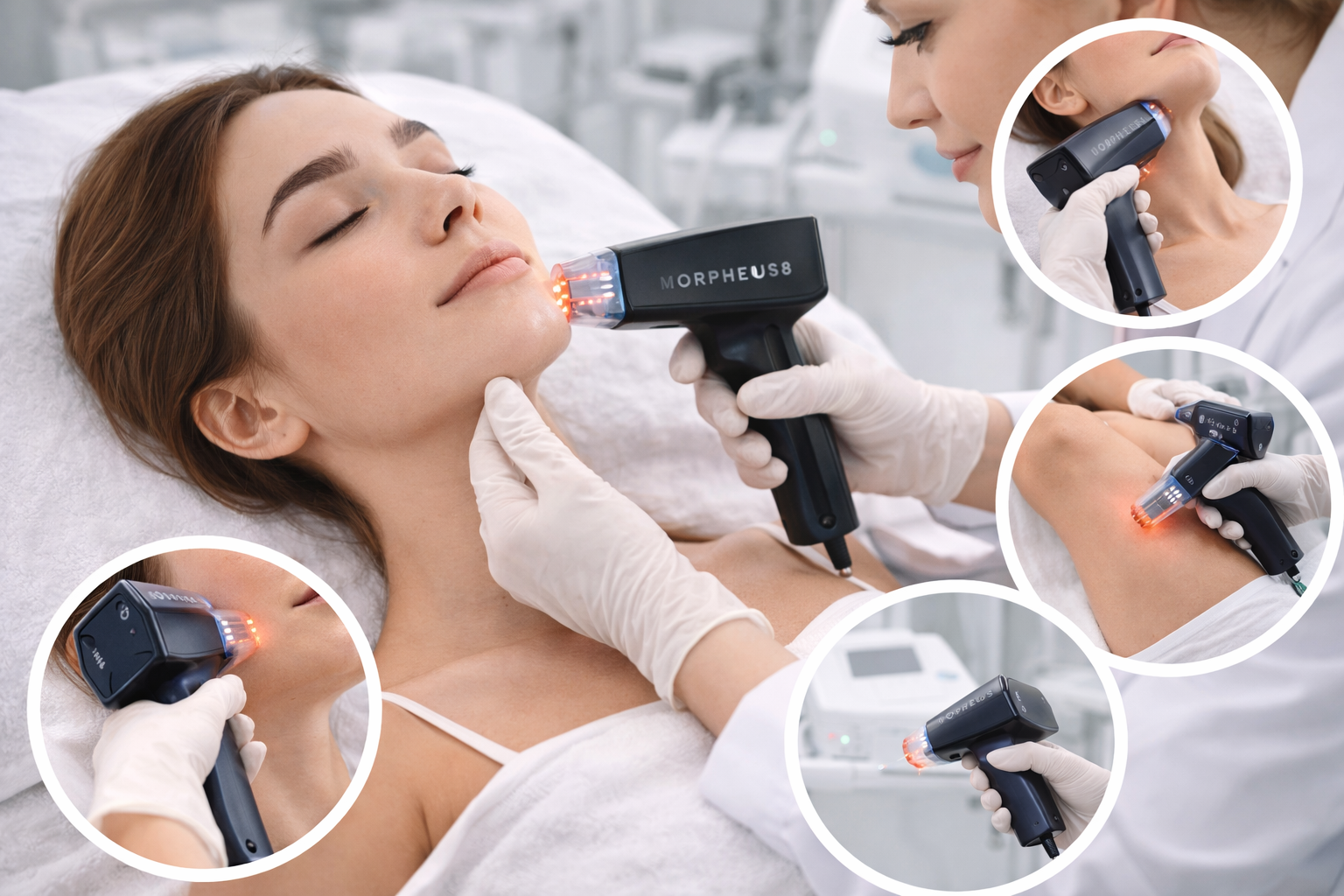
Morpheus8 tends to attract those who are noticing multiple skin concerns rather than a single issue — crepiness, enlarged pores, slight laxity, a loss of overall smoothness and brightness. It is also considered by those who want to address both contour and skin refinement at the same time, rather than approaching each concern separately.
What makes this treatment flexible is its range of application. Depending on the individual concern and the treatment plan, it may be applicable to the face, neck or body. That breadth of use makes it relevant to a wider set of people, and it tends to appeal to those who want a multi-faceted approach rather than a surface-level solution — without moving into surgical territory.
The concern Morpheus8 typically addresses is a general one: the skin looking less smooth, less supported, less like itself. It is rarely about looking different — it is about the skin looking healthier, more even and more refreshed. That kind of overall improvement, achieved carefully and without excess, is something many people respond to positively.
As with all treatments, a customised plan is essential. Skin requirements differ significantly between individuals, and the most effective results come from understanding a person's goals, their comfort level and the specific nature of the area being treated. Honest expectations and clear guidance are what make this kind of advanced treatment feel reassuring rather than daunting.
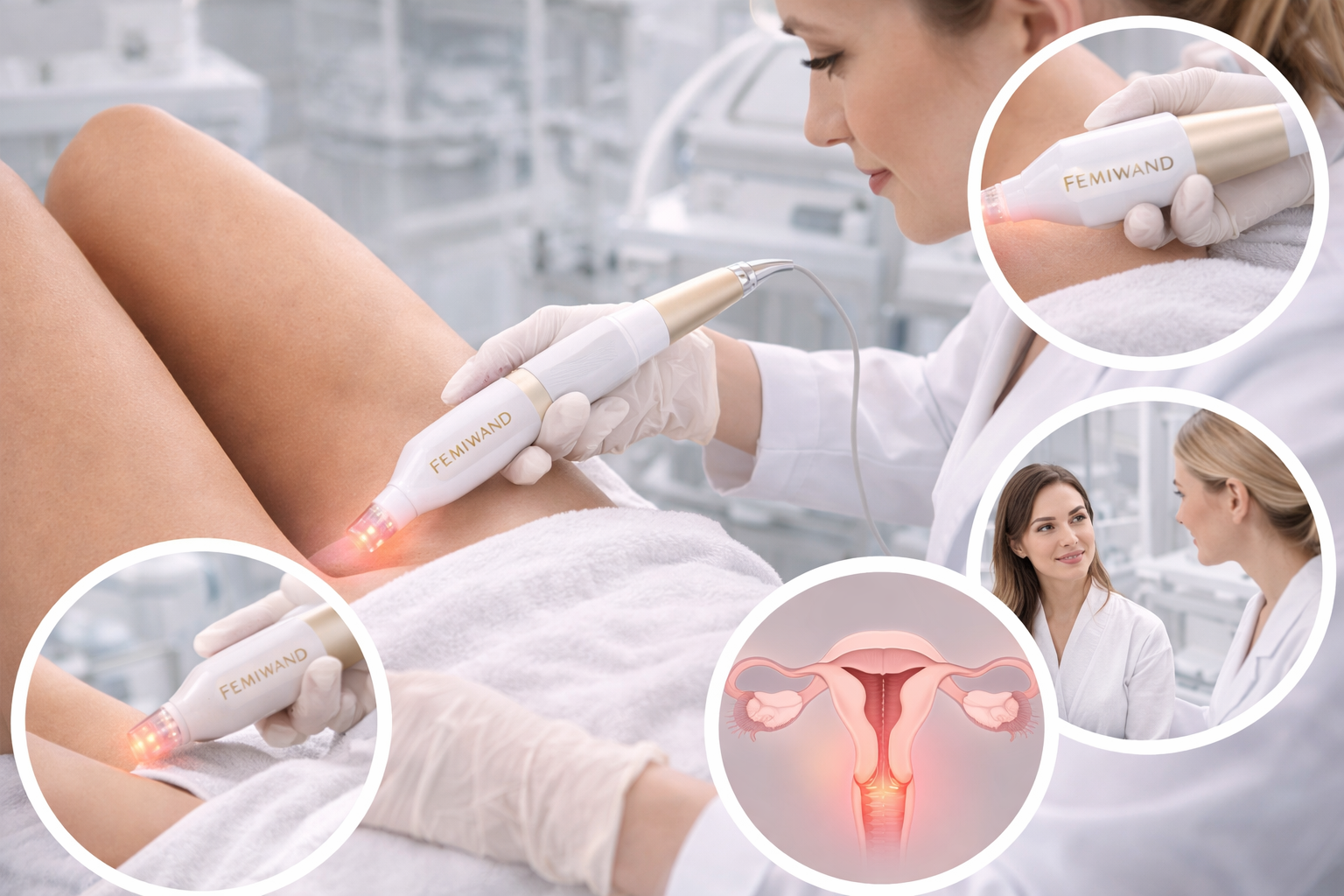
Femiwand Vaginal Tightening is a private and personal service for those seeking non-surgical support for intimate wellness and comfort. These are concerns that are rarely spoken about openly — yet they are far more common than most people realise. Changes in vaginal tone or comfort after childbirth, with age, or as part of broader physical change over time can affect confidence in quiet but meaningful ways.
The way this kind of concern is handled matters as much as the treatment itself. Those who seek this type of support deserve an environment in which they feel heard — without discomfort, without judgement, and without having to justify why the concern matters to them. That sense of safety is fundamental to everything here.
This is not a one-size-fits-all concern, and it should never be treated as such. A good treatment discussion begins by understanding the person's individual experience and their specific hopes for improvement. Some are seeking a change in physical sensation or support; others are looking primarily to restore a sense of confidence. Often, it is both. What is consistent is that the person deserves a calm, honest and genuinely respectful response.
For someone considering a non-invasive option for intimate wellness — approached with care, clarity and full respect for what is a genuinely personal matter — Femiwand Vaginal Tightening may be a meaningful step toward feeling more comfortable in a very private but important aspect of daily wellbeing.
Non-surgical treatments have changed what is possible for those seeking aesthetic support. The range is broader, the approach more nuanced, and the outcomes more natural than ever before.
Every service here is non-surgical. That means no general anaesthetic, no incisions, and no extended recovery period — making it more accessible and far less daunting for most people.
No two people have the same concern, skin type, or desired outcome. Non-surgical treatments lend themselves to a level of customisation that produces results aligned with the individual — not a template.
Most non-surgical treatments work progressively, which means improvements develop in a way that feels organic and understated — without the sudden or obvious change that many people are keen to avoid.
A responsible approach to aesthetic care always begins with a clear and honest conversation about what is possible. Managing expectations well is as important as the treatment itself.
Whether the concern is visible or deeply private, all aesthetic care here is approached with the same level of discretion, professionalism and respect for what the individual is experiencing.
At its core, aesthetic care is about helping people feel more at ease with how they look and feel. The best results are the ones that restore a quiet, natural confidence — rather than drawing attention to themselves.
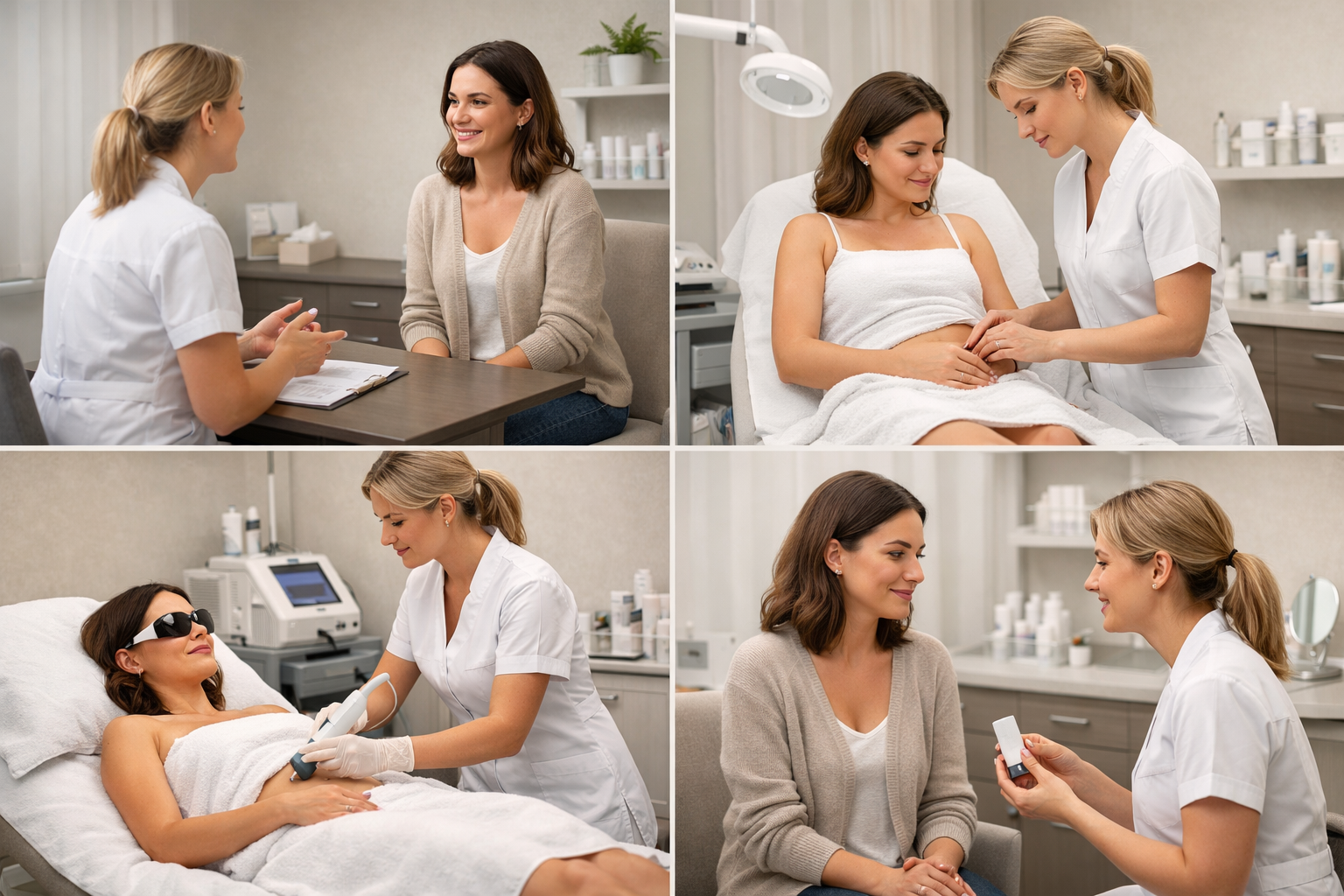
Aesthetic treatment works best when it follows a thoughtful, unhurried process — one that puts clarity and personal comfort at the centre of every stage.
Every journey begins with a conversation. This is a space to discuss concerns openly, ask questions without pressure, and understand which treatment options might be relevant. Nothing is decided here — it is simply about listening well and building a clear picture.
A careful assessment of the individual's skin, body, goals and lifestyle helps to build a treatment plan that is genuinely tailored. This step ensures that what is recommended is appropriate, realistic, and designed around the person — not a generic protocol.
Treatment is carried out carefully and professionally, with full explanation of what to expect at each stage. There is no rushing, no vagueness, and no pressure to proceed with anything that does not feel right. Comfort and clarity are both priorities throughout.
Good aesthetic care does not end when the treatment does. Clear guidance on aftercare is provided, and a follow-up review allows for honest reflection on outcomes and any further steps that might be worth considering — always at the individual's own pace.
There is no single profile for someone who seeks aesthetic care. The people who come tend to share one thing in common: a genuine desire to feel a little more comfortable in their own skin.
For some people, an aesthetic concern has been quietly present for months or even years before they take the step of exploring what might be available. It may have been thought about often — but spoken about rarely. This kind of support is designed for exactly that person, approached with the patience and care that a long-held concern deserves.
Many people considering aesthetic care are not looking for dramatic change. They simply want to look and feel a little more like themselves — a gentle refinement rather than a visible transformation. Non-surgical options are particularly well-suited to this kind of intention.
Not all aesthetic concerns are visible. Issues related to intimate wellness or bladder confidence are real, common, and equally deserving of professional care. These services are offered in an environment where privacy and respect are fundamental, not optional.
For someone exploring aesthetic care for the first time, the range of options can feel unfamiliar or overwhelming. The approach here is to make that process clear, straightforward and unpressured — so that decisions can be made with confidence and genuine understanding.
Knowing what to expect at each stage makes the whole experience feel far less uncertain — and far more manageable. Here is a straightforward picture of what that typically looks like.
From the very first conversation, the priority is clarity. That means explaining what each treatment involves in plain terms, being honest about what it can realistically achieve, and making sure there is space for every question to be asked and properly answered. There should never be a sense of being pushed toward a particular option.
Throughout treatment, comfort and safety are the primary considerations. Any good practitioner will take time to check in, explain what is happening, and ensure that the experience feels as settled and unhurried as possible. No two people respond identically, and a good treatment environment accommodates that.
You should leave each appointment feeling informed, respected and confident — not just about the treatment, but about the decision you made to pursue it.
Results from non-surgical treatments typically develop gradually. That is often exactly what people are hoping for — an evolution rather than a sudden change. It also means that outcomes need to be assessed over time, with patience and realistic expectations about what is possible for each individual concern.
Aftercare guidance is provided clearly and honestly. For some treatments, there are simple instructions to follow in the days that follow; for others, there is little to do beyond allowing the process to progress naturally. Either way, you will know exactly what to expect — and there will always be space to raise questions if anything feels unclear.
Throughout, the aim is the same: that the experience feels steady, clear, and genuinely supportive — from the first conversation to the final review.
It is natural to have questions before considering any aesthetic treatment. The following covers some of the most common ones — answered honestly and without clinical jargon.
The right treatment is the one that genuinely suits your concern, your skin, and your goals — not the one that is most popular or most discussed. A good consultation is always the best starting point. It creates the space to understand your specific situation and explore which options are realistic, relevant and appropriate for you, without pressure or assumption.
When carried out by a qualified practitioner following a proper assessment, non-surgical aesthetic treatments are generally well-tolerated and safe. That said, every treatment carries some level of consideration, and a thorough consultation and assessment is what ensures that the right treatment is chosen for the right person in the right circumstances. Honest guidance on suitability is always part of the process.
That is always the aim. The goal of non-surgical aesthetic care is not to alter how someone looks in an obvious or jarring way, but to help them feel more comfortable and confident in a way that still looks entirely like themselves. Results that develop gradually tend to look the most natural — and a well-considered treatment plan will always work toward that kind of outcome.
Uncertainty is entirely reasonable, and it should be respected — not dismissed or talked around. A consultation is never a commitment. It is simply a conversation. If you are not sure whether a treatment is right for you, or whether now is the right time, the appropriate response is to take more time, ask more questions, and proceed only when you feel genuinely ready and well-informed. There is no urgency here.
This varies considerably between treatments and between individuals. Some concerns are addressed in a single session; others benefit from a short course of appointments spread over time. The number of sessions that is right for you will depend on what is being treated, how your body responds, and what outcome you are working toward. That will always be discussed clearly and honestly at the planning stage.
Absolutely. Intimate concerns — whether related to vaginal tightening or incontinence support — are treated with exactly the same level of professionalism, discretion and respect as any other service. There is no hierarchy of importance here. A private concern is just as real and deserving of careful attention as a visible one, and it will always be met with the same level of care.
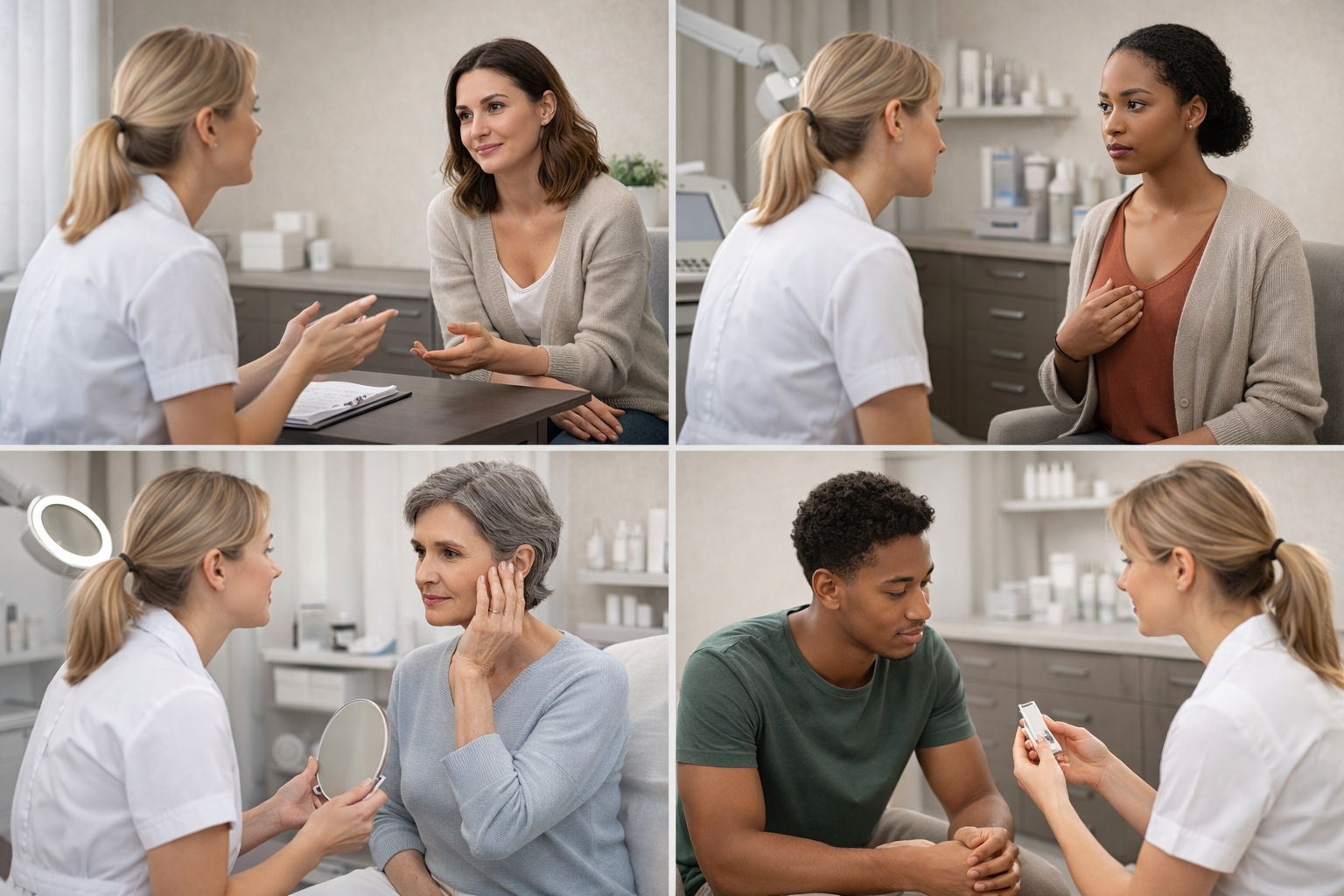
What draws people here is not a promise of perfection. It is the experience of being heard, given honest information, and supported in making a decision that feels right for them.
Many people who consider aesthetic treatment have spent a long time thinking about it before they take any action. They have often done their own research. They have had quiet conversations with themselves about whether it is worth it, whether it is the right moment, whether anyone would even understand why it matters to them. By the time they arrive at a consultation, what they are often looking for is not just a treatment — it is a clear, calm conversation that acknowledges all of that.
That kind of care is not always easy to find. Aesthetic services can sometimes feel more like sales environments than clinical ones — full of confident claims, dramatic before-and-after imagery, and a general sense of pressure to commit. That is not what is offered here, and it is not what people deserve. Go to Home
What this approach offers is something quieter: honest guidance, realistic expectations, and a genuine respect for the fact that aesthetic decisions are personal ones. No one will be told what they need or pushed toward a particular outcome. The conversation will always begin with understanding, not with assumptions.
For some, the most important thing is knowing that a concern they have carried privately — whether visible or intimate — will be met with the same professionalism as any other. For others, it is the reassurance that treatment is measured, understated, and designed to make them feel more like themselves rather than like someone different. Either way, the goal is the same: confident, informed, respected individuals making choices that genuinely feel right for them.
Every treatment decision should feel clear, supported and right for the individual. That is only possible when care, discretion and honest guidance are placed at the centre of the process from the very beginning.
The approach here is built on a simple conviction: that people deserve to feel genuinely understood before any treatment is considered. That means listening before advising, asking the right questions, and taking time to appreciate the specific concern — not just its surface features, but the context around it and what it means to the person living with it.
It also means being honest about what is realistic. No treatment in non-surgical aesthetics delivers perfection, and no responsible practitioner would claim otherwise. The aim is always modest, meaningful improvement — the kind that leaves someone feeling more confident and at ease, without looking as though anything dramatic has occurred.
Realistic guidance is not a limitation — it is a mark of respect. It gives people the information they need to make decisions they will feel good about over the long term.
Discretion is part of the approach at every stage. This is particularly important for those seeking support with intimate concerns, but it is equally relevant for anyone sharing a personal worry about their appearance. Aesthetic care asks people to be vulnerable, and that vulnerability deserves to be met with professionalism and genuine warmth.
There are no hard sells here. No promises of transformation. No suggestion that something must be done urgently. The right approach is a measured, steady, individual-centred one — and that is what this service consistently aims to offer. The goal, always, is for the person to feel more comfortable in their own skin. That is the only metric that truly matters.
Not a different version. Not a more dramatic version. Simply the most comfortable, most confident version — one that still feels entirely, recognisably yours.
Every service on this page exists to serve that goal. Each addresses a different kind of concern, but all of them share the same underlying intention: to help people feel more at ease in their skin, with clear information, honest guidance and a process that moves entirely at their own pace.
Some people arrive with one specific question. Others are exploring more broadly, not entirely sure what they are looking for, only that something has shifted and they would like to understand what might be possible. Both are welcome here. Both will be met with the same steady, respectful care.
Whatever brings someone to the point of exploring aesthetic treatment, what remains constant is the importance of feeling comfortable, confident and genuinely supported throughout. That is what this service is for. And it is where every good journey in aesthetic care should begin.