
A Natural Solution For Skin, Appearance & Confidence
Aesthetic care that honours who you already are — thoughtful, personalised and grounded in clinical expertise, designed to support your skin and confidence for the long term.

Aesthetics is a discipline at the crossroads of science, art and personal health. Above all, it is about making people feel right in their own skin.
It is all about accentuating natural features and enhancing nuances that are what makes a person interesting to identify. We all have a different look at the end of the day. The skin gradually starts to lose its firmness. It may leave new fine lines behind in places that expressions didn't before. The contour of the face can soften, and some areas of the body may respond differently to lifestyle habits than they used to.
But such transformations are a part of life — natural cycles that we might not quantify for their potential to have something positive occur beyond the immediate loss. They are seen through years of conditioning, emotions and experiences.
"The goal of modern aesthetic care is not to erase natural transformations. Instead, it is about gently supporting skin and features so they maintain what makes them healthy, balanced and natural. The goal is not transformation — it is refinement and support."
Many people enter aesthetics because they want to maintain an appearance they feel represents their true selves. Others are curious about how new treatments can improve skin quality or help areas that may have lost their vitality over time. Whatever the motivation, aesthetics is now about thoughtful care, accessible information and tailored guidance.
At its best, aesthetics isn't about turning someone into something else. It is about feeling assured when you look at the face in the mirror each day.
Aesthetic treatment has experienced monumental growth in the last several decades. The philosophy has changed entirely — and for the better.
In the past, cosmetic procedures tended to be associated with obvious changes or treatments that made an immediate, visible impact. Because of this perception, many people were unsure or apprehensive about seeking aesthetic care.
The science behind aesthetic treatment has since evolved to deliver soft, natural-looking results that take into account the individuality of each person. No radical changes — the idea is gradual, considered improvement. That involves providing skin with the support it deserves to aid in rebalancing and rejuvenating the complexion in a way that feels authentic and recognisable.
When treatment is delivered thoughtfully, people simply look well-rested, refreshed — and entirely themselves.
Modern aesthetics tends to favour enhancement, rather than modification. It is not a matter of converting someone; it is about honouring everything they already have. Health of the skin, harmony and balance of the face as a whole — these principles guide every decision.
This personalised approach allows people to maintain their natural expressions and personality while gently supporting elements that may have changed with age.
Another central concept in contemporary aesthetic treatment is personalisation. Every face is unique, and we age and develop skin changes differently from one person to the next. This is why aesthetic treatments are rarely a one-size-fits-all approach. What works for one person might not work for another, making tailored care so important.
Every treatment is grounded in current clinical research, anatomical knowledge and professional standards that prioritise your safety and wellbeing above all else.
Responsible aesthetic care is not about a single appointment. It is about a sustained approach to skin health that complements natural ageing with patience and precision.
Aesthetic treatments are carefully customised to each individual — skin type, facial structure, lifestyle and personal preferences are all considered during planning.
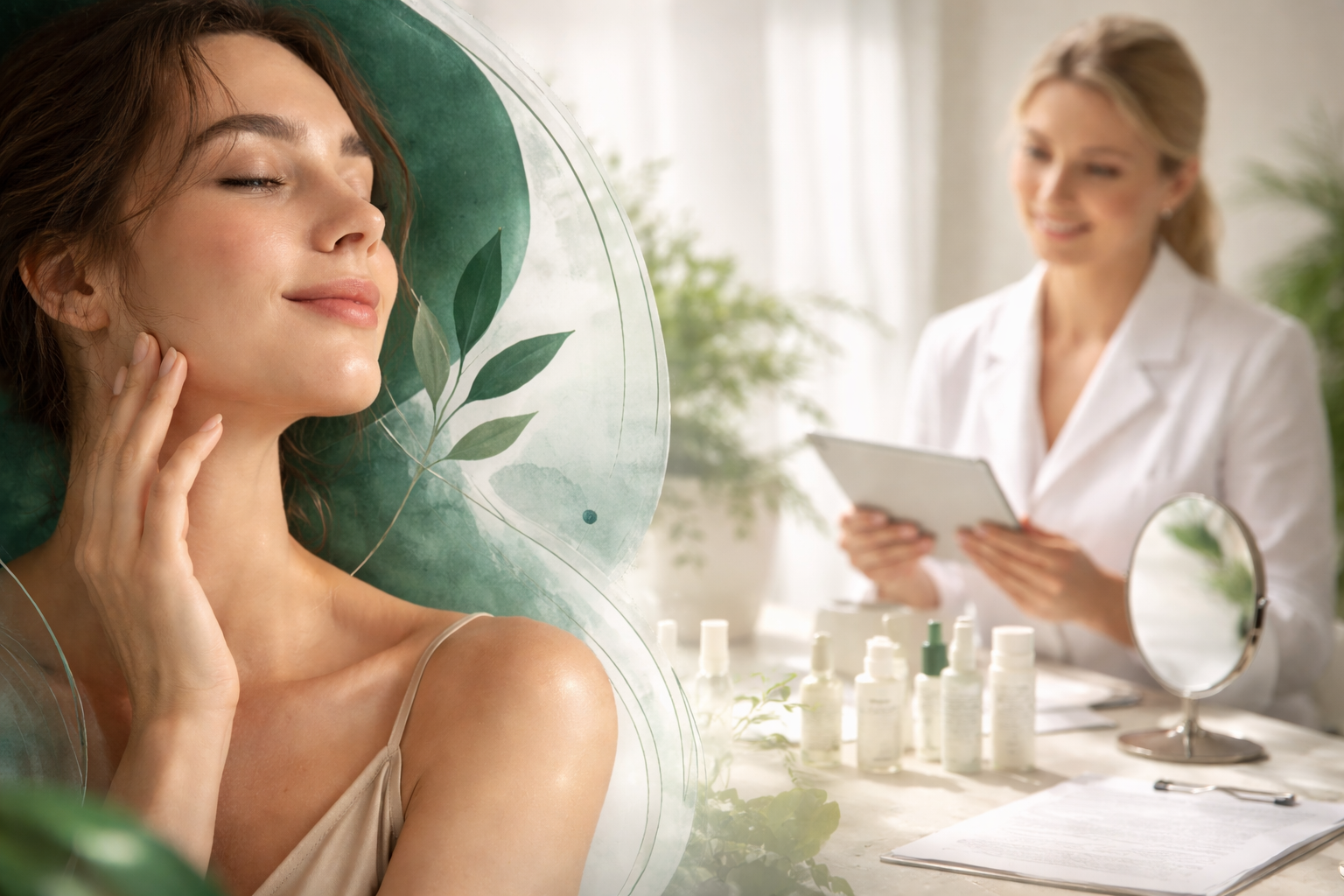
Modern aesthetic treatment is a carefully structured process built on understanding, assessment and considered planning — not impulsive decisions.
Aesthetic practitioners approach each person holistically when planning treatment. That involves listening to personal concerns, discussing expectations and understanding daily habits that influence the skin. Sleep patterns, stress levels, sun exposure and skincare routines all affect how skin looks and feels.
This comprehensive understanding helps develop treatments that encourage not just short-term improvements, but enhanced skin health over the long term.
Modern aesthetic care also moves beyond isolated features towards a balanced approach across the face and body. Rather than focusing solely on a single line or wrinkle, the relationship between different areas of the face is carefully considered — taking in skin quality, facial proportions and natural contours. This wider perspective ensures that all improvements work as part of an integrated whole.
Modern aesthetics devotes significant attention to the skin itself. Treatments may focus on moisturising, improving texture and reducing the appearance of fine lines and uneven tone — results that allow the complexion to appear more vibrant and balanced.
Informed decision-making is one of the most important aspects of contemporary aesthetic care. People are encouraged to learn about the treatments they are considering. Conversations about goals, expectations and potential outcomes are central to the process — this openness helps ensure people feel confident and reassured about their choices.
Responsible aesthetic care is about moderation and restraint. Small, considered adjustments can yield meaningful results without overpowering natural features.
Aesthetic care is not confined to any particular age group, background or circumstance. The reasons people explore aesthetic treatments are as varied as the individuals themselves.
Many people come to aesthetics when they notice the first subtle signs of ageing — fine lines forming around the eyes or mouth, a gentle change in skin tone or elasticity. These are natural developments, and some individuals seek treatments that offer supportive care during this transition.
Skin quality is one of the most common reasons people explore aesthetics. Environmental factors such as sun exposure, pollution and climate changes, combined with lifestyle influences, can affect how skin looks and feels. Treatments designed to support the skin's natural processes can help restore smoothness, hydration and balance.
How people feel about their appearance can influence how they move through everyday life. Aesthetic treatments are not about chasing an idealised standard — for some, they simply offer a gentle affirmation and renewed sense of ease in their own appearance.
When someone reaches a new milestone or begins a new chapter in life, they may find themselves paying closer attention to self-care. For many, aesthetic considerations become part of a broader commitment to personal wellbeing during these meaningful transitions.
There is no single reason someone decides to explore aesthetic care, and no one demographic that defines it. Aesthetics is for many a gradual and emergent experience — beginning perhaps with education about skin health or gentle treatments, and evolving over time as comfort and understanding grow. This measured, stepwise approach allows each person to move at their own pace, in a way that feels entirely right for them.
Aesthetic treatments can address a wide range of concerns relating to the skin, face and body. These vary widely from person to person and tend to develop gradually over time.
Environmental exposure or the natural ageing process can lead to uneven, dry or less luminous skin. Encouraging the skin's own restorative capacity may help refine its softness, smoothness and evenness of tone.
These creases tend to form where the skin folds most — around the eyes or mouth. They are a natural part of expression and ageing, but some people choose to gently soften their appearance while preserving natural facial movement.
Over time, certain areas of the face may appear less full than before, subtly altering overall facial proportions. Aesthetic treatments can be used thoughtfully to help restore balance to these areas where appropriate.
Many people notice that their skin loses some of its natural glow and hydration as the years pass. Treatments focused on improving moisture levels and luminosity can help the skin appear more refreshed and energised.
Aesthetic care extends beyond the face. Some individuals seek treatments that target skin quality or body concerns that seem resistant to lifestyle changes alone. The approach remains consistent — supportive, not transformative.
Some concerns are less about a single feature and more about the overall balance and relationship between different facial areas. A holistic approach to these proportions and natural contours can result in a more naturally harmonious appearance.
It is important to recognise that in both skin and body concerns, the aim is not perfection. Instead, aesthetics seeks to support the natural structure of the skin and body in a compassionate, proportionate and respectful way.
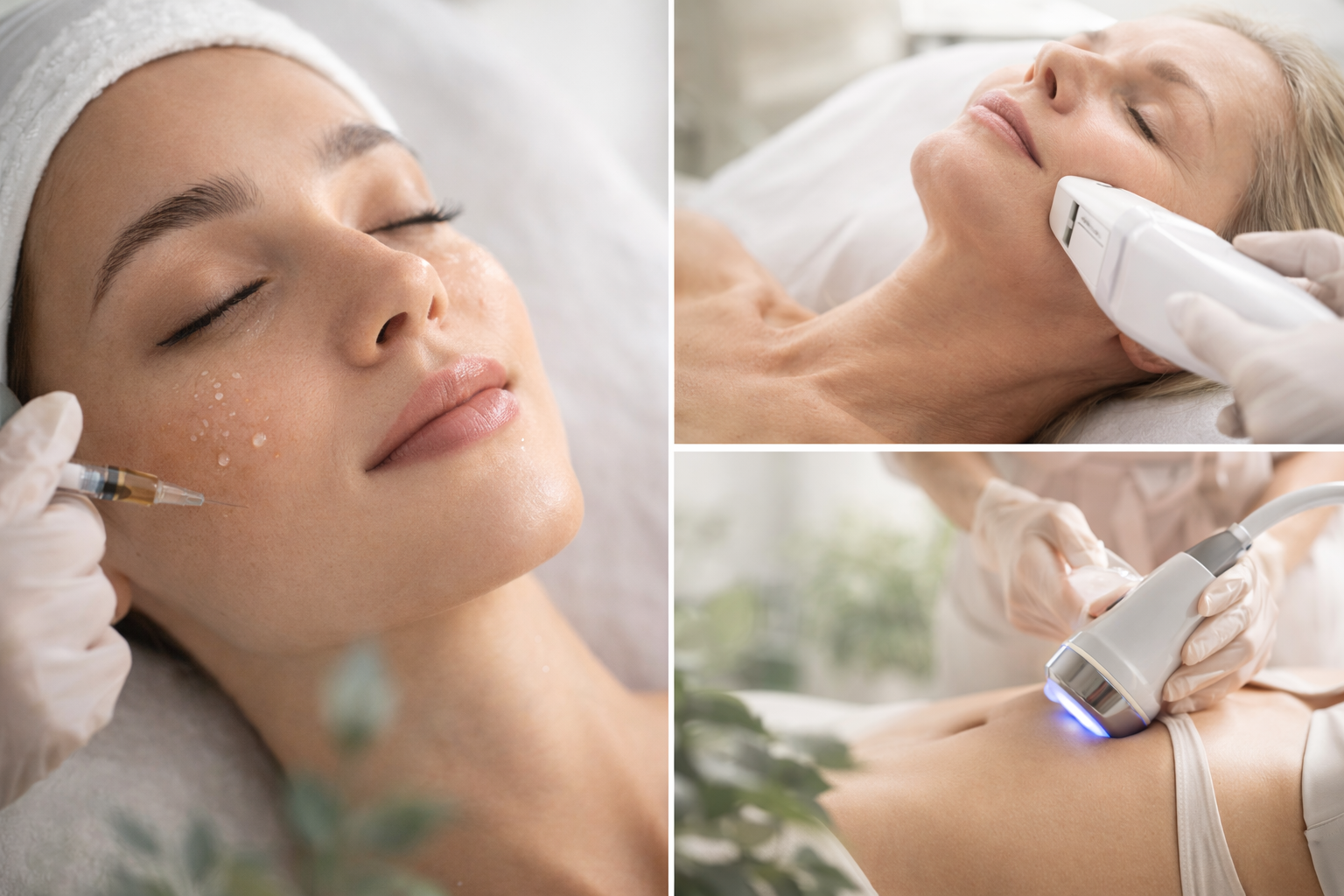
Aesthetic care encompasses a broad continuum of treatment modalities. Most are non-invasive and are designed to complement, not replace, good everyday skin care.
Treatments focused on enhancing the quality of the skin itself aim to encourage hydration, smoothness and clarity — helping the skin to appear refreshed and balanced. These approaches work with the skin's own regenerative processes to support long-term health and vitality.
These therapies tend to address areas where natural changes may occur over time — fine lines, subtle volume shifts or differences in facial harmony. The goal is to restore balance while maintaining natural, expressive movement in the face. Results should feel entirely organic to the individual.
Contemporary aesthetics also includes body-focused approaches designed to support skin tone and address specific areas of concern gradually over time. As with all aesthetic treatments, the philosophy remains the same — to accentuate rather than reshape the innate features of each individual.
The tools and technologies of aesthetics may evolve, but the guiding principle endures: treatments are applied thoughtfully and sparingly to enhance what already exists — not to create something new.
For those new to aesthetic care, it can be reassuring to know what a typical treatment experience involves. Although every treatment is different, many stages remain consistent. Preparation usually begins with a discussion of what the treatment entails, ensuring the individual feels informed and at ease before proceeding.
Depending on the area being treated, the duration will vary. Many modern aesthetic procedures are designed with minimal disruption to daily life in mind. Following treatment, specific aftercare guidance will be provided, and most people are able to return to their normal routine within a short period, though the specifics will differ depending on the treatment.
The experience is intended to be calm, considered and supportive throughout — taking into account individual comfort levels at every stage.
A governing philosophy of modern aesthetics is a commitment to outcomes that look and feel entirely natural. The aim is never to create a new face or completely transform someone's features.
Aesthetic care is intended to enhance what already exists — not to fabricate something new. Minor, carefully considered adjustments can refresh the appearance of the face while preserving the ability to move and express naturally.
This perspective recognises that beauty is deeply connected to authenticity. When treatments align with the natural architecture of the face and body, the result is typically balanced, harmonious and entirely consistent with who the person already is.
Some of the finest aesthetic outcomes are those that are not easily identifiable as treatments at all. Friends or family may simply remark that someone looks well-rested or naturally refreshed.
Natural-looking results are not achieved in a single appointment. They are the outcome of careful planning, professional skill and a deep respect for what makes every individual unique.
It is also important to embrace the reality that ageing is a natural and inevitable process — not something to be halted entirely. Aesthetic treatments are not intended to freeze time. Rather, they help support the skin and the structure of the face as age progression continues, complementing the natural journey rather than working against it.
This evolution toward education and responsible practice in aesthetic treatment reflects the maturity of the field. Treatment is delivered according to expert knowledge, personal preference and an in-depth understanding of natural facial anatomy — shaping not just the outside, but confidence and health from within.
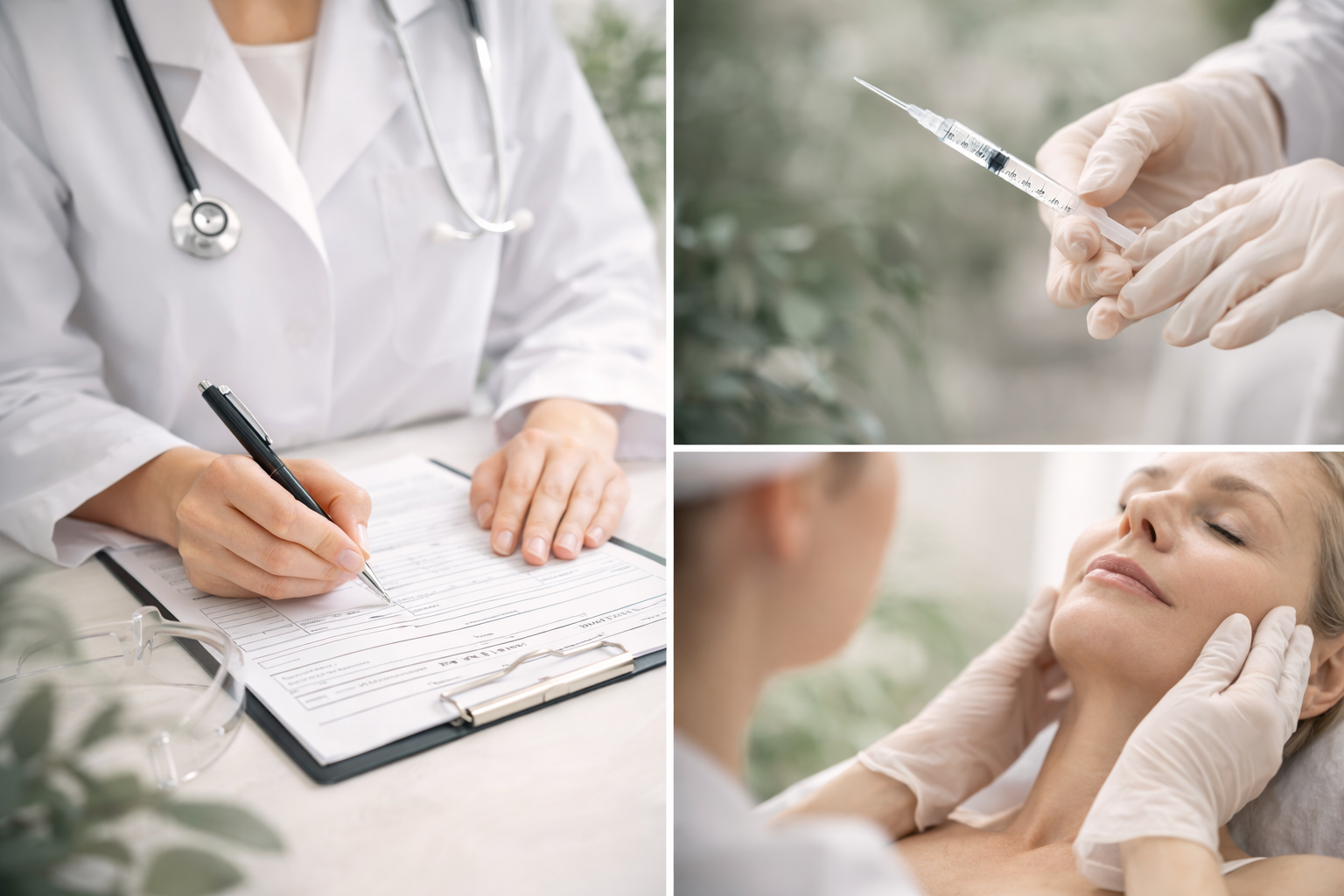
Safety is an essential and non-negotiable element of aesthetic practice. Responsible care begins with a thorough assessment and continues through every stage of the treatment process.
Aesthetic practitioners are guided by medical training, ethical codes and evidence-based practice. Treatments are recommended only when they have been carefully determined to be appropriate for the individual's health, anatomy and personal circumstances.
Rigorous training and sound clinical judgement are the foundations of safe and effective aesthetic care. Ensuring that each treatment is performed with a thorough understanding of anatomy, skin health and associated risks is fundamental — not optional.
Equally important is the considered decision of when not to treat. Identifying those for whom aesthetic intervention is not appropriate is a core expression of ethical practice. In aesthetics, as in all healthcare, wellbeing comes above everything else.
Aesthetic medicine, when provided with care and responsibility, is far more than a cosmetic service. It is careful, patient-centred clinical support — delivered with the same professionalism, discretion and duty of care one would expect from any respected healthcare setting.
The standard of ethical aesthetic practice is defined not only by what is done, but by what is thoughtfully and compassionately declined.
Navigating aesthetics is far more rewarding when thought of as a long-term approach to caring for the skin and overall appearance — not a one-off event.
Complemented with healthy skin habits, thoughtful lifestyle choices and professional guidance, aesthetic results can be maintained meaningfully over time. Daily routines, skin-friendly environmental protection and consistent self-care habits all play an important role.
Aesthetic procedures can complement these ongoing efforts as well as address concerns that arise naturally with ageing. The goal is not to require treatment constantly — ideally, it is occasional, considered support combined with regular personal care practices that form the foundation of lasting skin health.
Following any treatment, specific aftercare instructions will be provided. These recommendations are designed to protect the skin, support the results and ensure the individual recovers comfortably. Most people find they are able to return to their regular routine relatively quickly, with minimal disruption.
Ongoing conversations after treatment help ensure that results are progressing as expected, and any refinements can be discussed if needed. This continued dialogue is part of the responsive, person-centred care that defines responsible aesthetic practice.
Long-term care engenders results that remain true to natural features — keeping people looking and feeling more authentically themselves as time goes on.
Understanding aesthetic care begins with honest, clear answers. Below are some of the questions most commonly raised during consultations.
Modern aesthetic care has moved significantly beyond the associations of earlier cosmetic procedures, which were often linked to obvious or dramatic changes. Today, the science and philosophy of aesthetics is focused on soft, natural-looking results that honour each person's individuality. The emphasis is on gradual improvement, personalisation and supporting what already exists — not altering it entirely. Results are designed to be harmonious, balanced and entirely in keeping with natural expressions.
Aesthetic care is not a one-size-fits-all approach. What works well for one person may not be appropriate for another. A thorough consultation is always the starting point, during which health history, skin type, lifestyle and personal goals are carefully assessed. There are circumstances in which treatment is not appropriate, and a responsible practitioner will always prioritise the individual's wellbeing above providing any particular treatment.
The goal of thoughtfully administered aesthetic treatment is to look refreshed, well-rested and naturally yourself — not noticeably treated. Some of the finest outcomes are those where friends or family simply remark that someone looks particularly well. Results that align with the natural structure of the face and preserve natural movement are the hallmark of skilled, responsible aesthetic practice.
The consultation is absolutely the most important step in any aesthetic journey. It is a time for focused conversation, intentional reflection and deliberate preparation. During this process, personal concerns, goals, medical history and lifestyle factors are all discussed carefully. Equally important is the opportunity for questions — a consultation should allow individuals to learn about potential treatments, what to expect and then make decisions at their own pace, without pressure.
There is no fixed age at which aesthetic care becomes relevant. For some, it begins early as a preventative approach to skin health; for others, it comes later in life when priorities naturally evolve. What matters far more than age is understanding one's own motivations, expectations and readiness — and approaching care as a thoughtful, personal decision rather than one driven by external pressure or trends.
Lifestyle plays a meaningful role in how skin looks and how well aesthetic results are maintained. Sleep habits, stress levels, hydration, nutrition, sun exposure and daily skincare routines all contribute to overall skin health. Aesthetic treatments work best when they are complemented by healthy habits and consistent self-care — and a skilled practitioner will take these factors into consideration when developing a treatment plan tailored to each individual.
Personal journeys with aesthetic care are as unique as the individuals themselves. These perspectives reflect the range of motivations, experiences and outcomes that define thoughtful aesthetic medicine.
I had always been hesitant about aesthetic treatments — I worried about looking noticeably different. What surprised me most was how the whole process was about listening first. The results felt entirely like me, just a more rested version.
I came in with questions more than anything else. I wasn't sure what I wanted, just that my skin had changed over the years. The consultation gave me time to understand my options without any pressure. That felt important.
What struck me was how the approach was focused on balance rather than change. I felt that my features were being respected, not corrected. The outcome was subtle, natural and exactly what I had hoped for — though I hadn't known how to articulate it before.
A personalised approach to treatment is a fundamental principle of everything we do. The face and body are complex, with individual differences in features, skin type and lifestyle requirements that demand genuinely tailored care.
Rather than applying a standardised treatment protocol, a personalised approach begins and ends with the individual. This starts with listening — to personal concerns, to the outcomes a person hopes to achieve and to any previous experience they may have with skincare or treatments.
Lifestyle factors are always considered. Sleep patterns, daily routines, sun exposure and general health all affect the quality of skin and overall appearance. By understanding these factors in depth, it becomes possible to develop a treatment plan that addresses immediate concerns while also instilling long-term skin health.
Personalisation also helps ensure that treatments are truly necessary, rather than excessive. Incremental, thoughtful refinements — rather than any attempt at radical change — are almost always the most effective solution.
This careful, considered process produces results that appear natural and perfectly in keeping with a person's own features. It also empowers people to approach their ongoing care with confidence, knowing that their plan has been designed around what they individually want and need — not a generic template.
Aesthetic medicine provided in a thoughtful, responsible manner is not simply cosmetic treatment — it is careful, patient-centred clinical support rooted in genuine care for wellbeing.
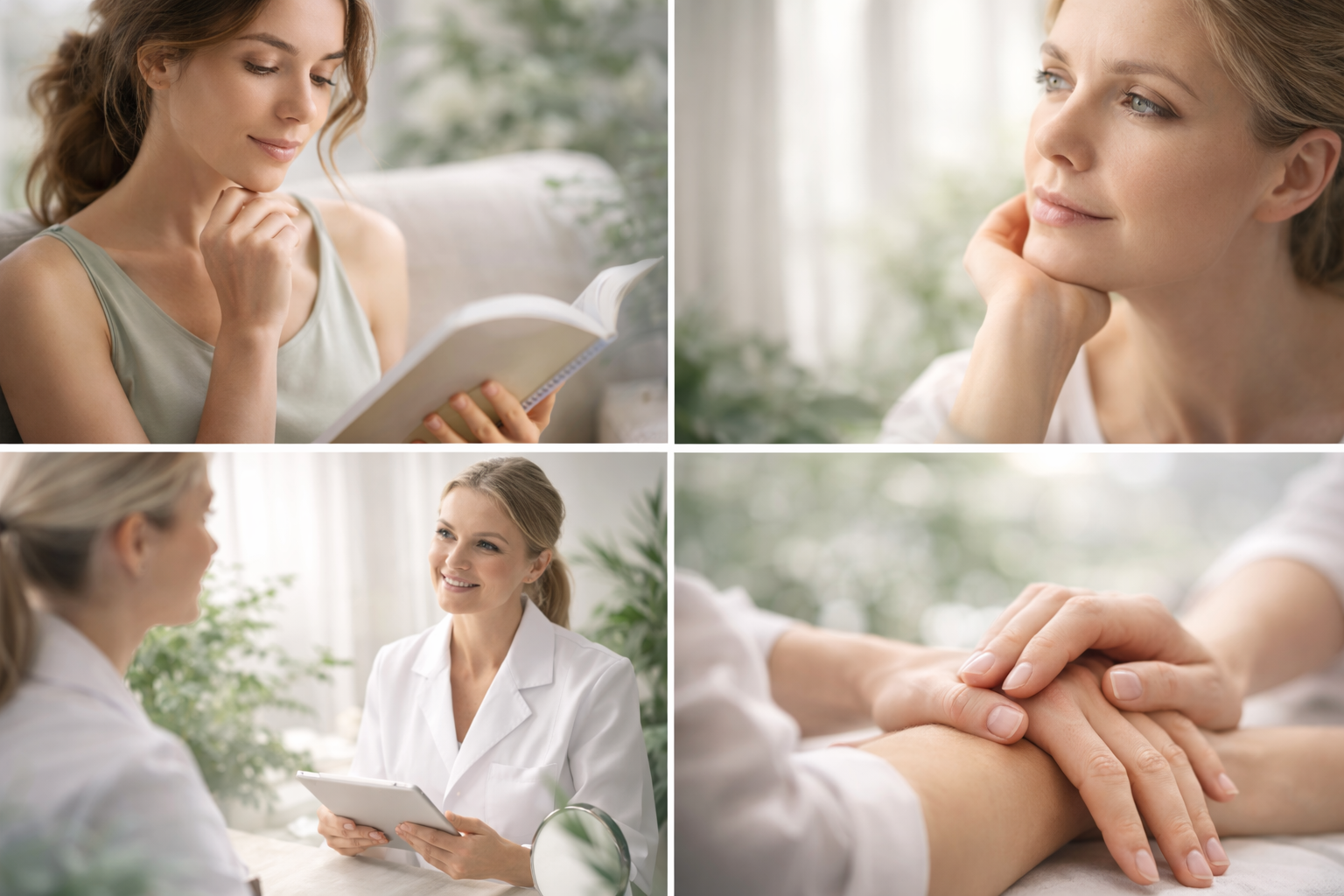
For those who are new to aesthetics, building knowledge is the most natural and valuable starting point. Understanding what is available, what is realistic and what aligns with personal values is essential before taking any further step.
Take time to read, ask questions and develop a genuine understanding of the treatments you are considering. All responsible aesthetic care starts with knowing what you are comfortable with and what will be truly beneficial for your skin and overall wellbeing.
Before moving forward, it is helpful to reflect on what you genuinely hope to achieve and why. Aesthetic decisions are personal, and those approached with clarity of intent tend to lead to the most satisfying and appropriate outcomes.
A consultation is generally the best starting point. It offers space to ask questions, discuss personal goals and explore potential paths forward without pressure or obligation. It is a conversation, not a commitment.
There is no urgency in aesthetic care. Approached with curiosity, patience and good information, the process becomes a considered and positive part of personal wellbeing rather than a rushed decision made under external pressure.
Whatever brings someone to the point of exploring aesthetic care, what remains constant is the importance of feeling comfortable, confident and genuinely supported. Aesthetics approached from a place of honest understanding about realistic outcomes can be an uplifting and positive experience — one that gives people the power to decide for themselves what feels right, independent of trends or peer expectation.
It brings together science, artistry and professional care to help amplify the inherent features that make each person who they are.
Today's aesthetic care is less about transformation — and far more about subtle enhancement, strategic planning and honouring each individual's unique character. It is guided by informed, responsible practice aimed at natural, effective and enduring outcomes.
For many, aesthetics is a way to maintain the health of both skin and face, nurture self-confidence and approach one's appearance with genuine intention. No two journeys are the same — each is shaped by distinct goals and guided by specialists who understand that.
Aesthetics, approached with care and consideration, can be a gentle and profoundly supportive process — one that allows people to feel truly comfortable, confident and at ease in their own skin.